


Replacing both bags and cages?
Send the details together so we can review the assembly.
Industrial Dust Collection
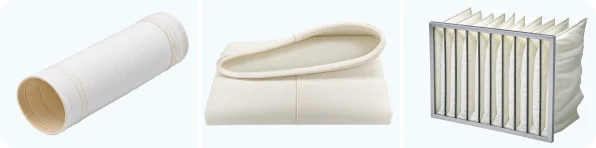
Manufactured to your collector’s dimensions, operating conditions and approved specification. ClipOn supplies replacement bags and cages, with technical support for media selection, reverse engineering and recurring performance problems.
Polyester, meta-aramid, PPS, P84, PTFE and fibreglass options, with application-specific constructions and finishes.
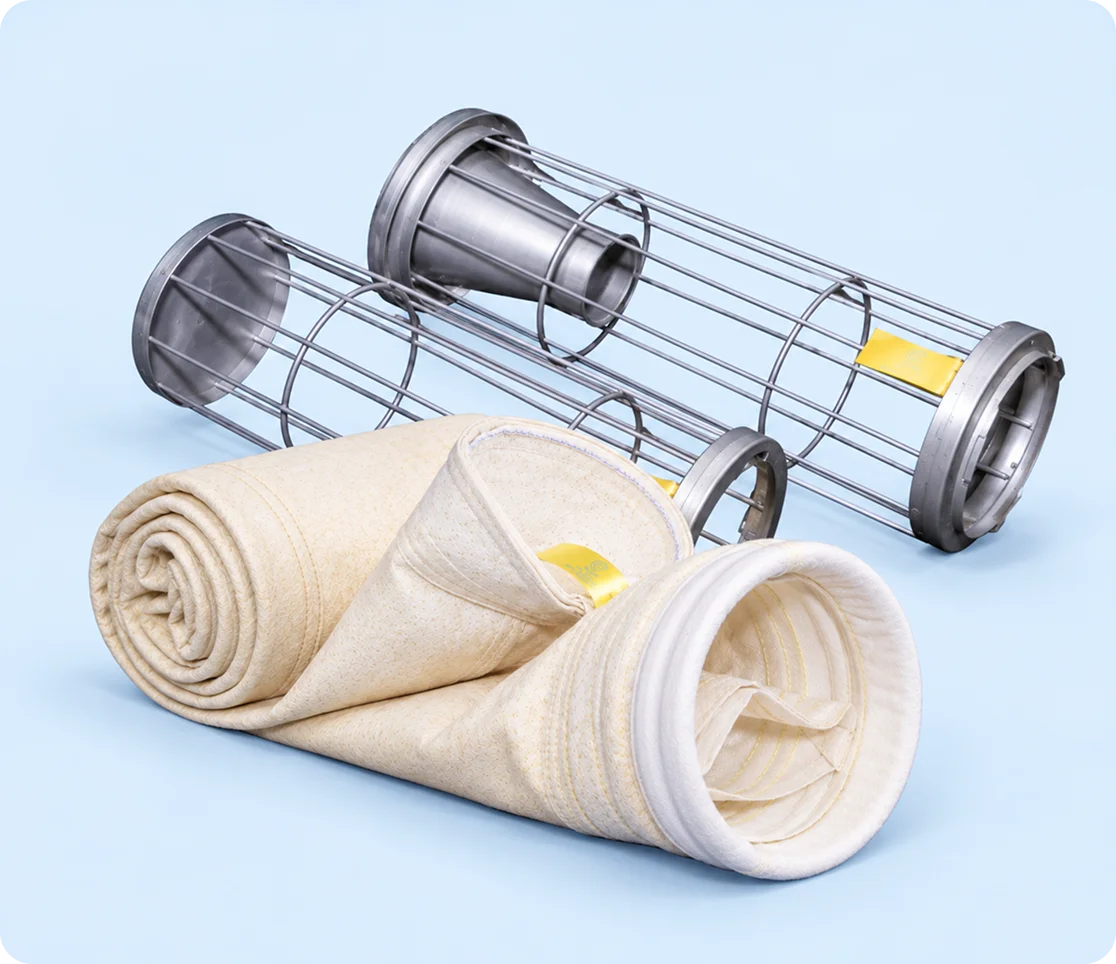
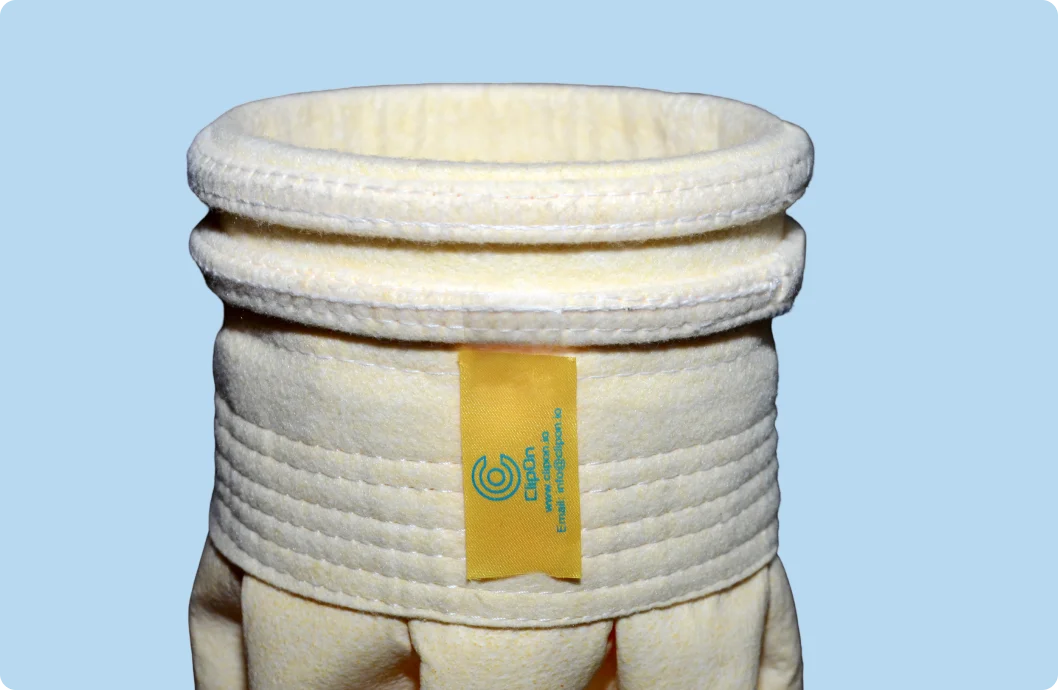
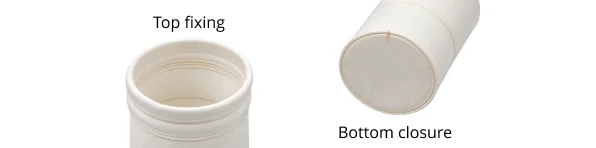
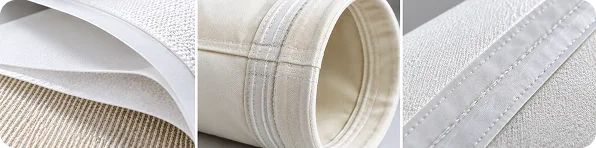
A replacement bag needs to fit the collector and withstand what happens inside it. Dust characteristics, gas chemistry, moisture, temperature excursions and the cleaning cycle all matter. So do the seams, cuff and the way the bag sits on its cage.
Share the specification you currently buy, or send a drawing and the application details. If it is performing well, we can quote against the agreed requirements. If it is failing early, tell us where the damage appears and what has changed in the process.
Confirm the required checks and documents in the quotation.
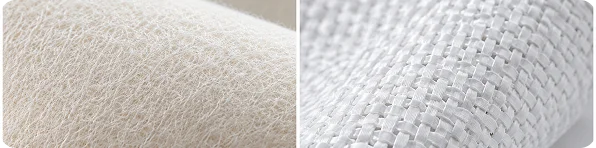
A fibre name alone is not a finished specification. We also review fabric weight, permeability, support scrim, surface finish and any membrane requirement.
A different fibre is not always the whole answer.
Sometimes the requirement calls for a different fibre blend. In other cases, the surface finish, supporting scrim or bag construction needs attention. We review these separately so that each proposed change has a clear purpose.
Confirm the required checks and documents in the quotation.
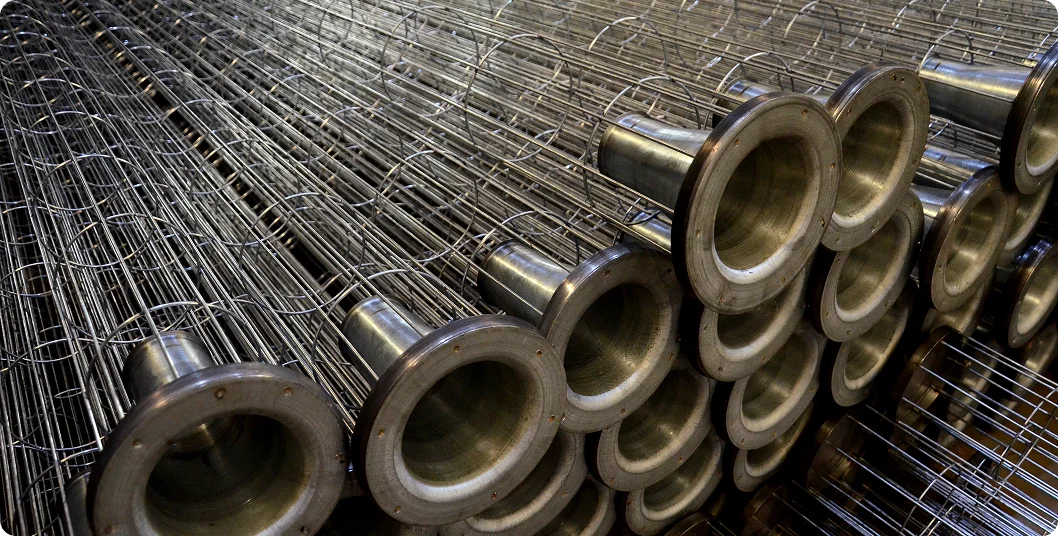
The cage is part of the bag’s working assembly.
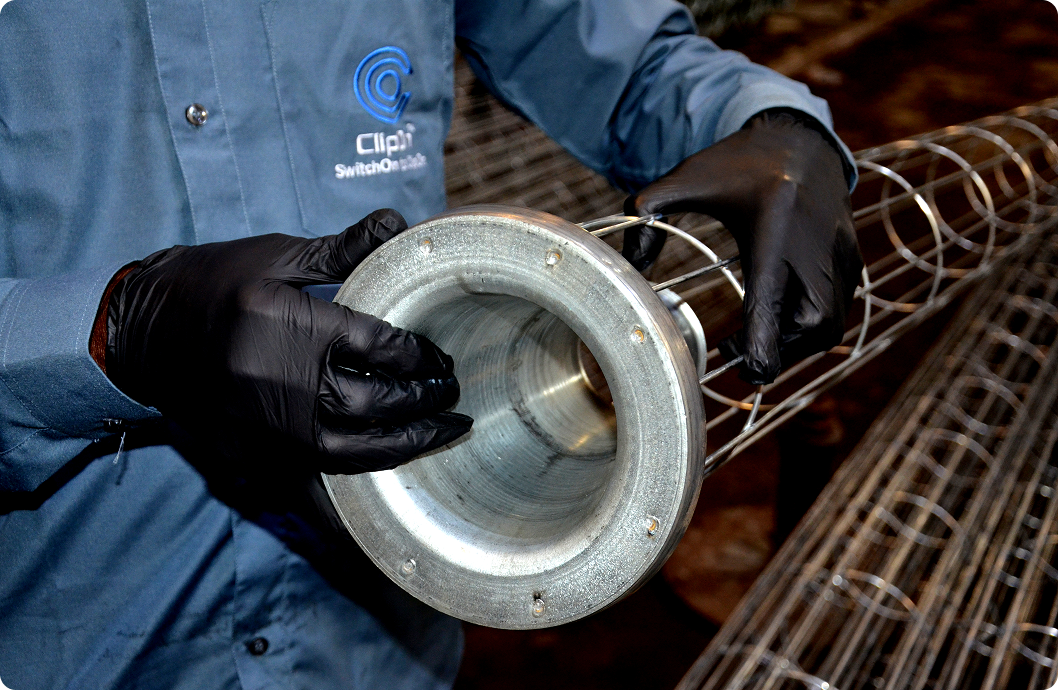
A replacement cage needs to do more than fit inside the bag. Its dimensions, wire arrangement, joints and surface condition affect bag support, installation and wear.
ClipOn manufactures filter cages and venturis to agreed drawings and specifications. For replacement requirements, we can work from an existing drawing or sample and clarify the dimensions needed to match the bag and collector.
Send the details together so we can review the assembly.
Share your drawing or sample details, quantity and delivery location. We will identify any additional information needed.
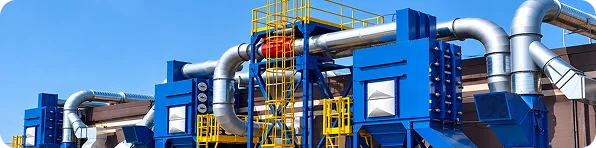
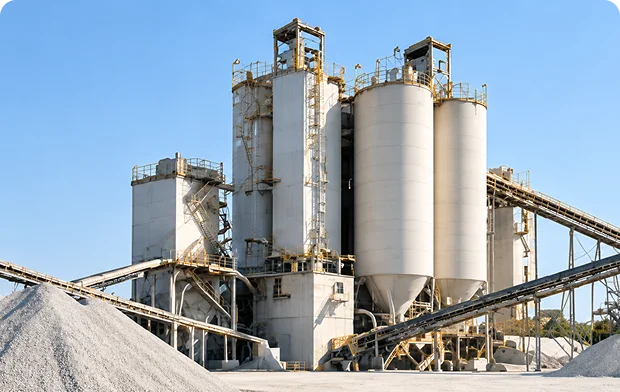
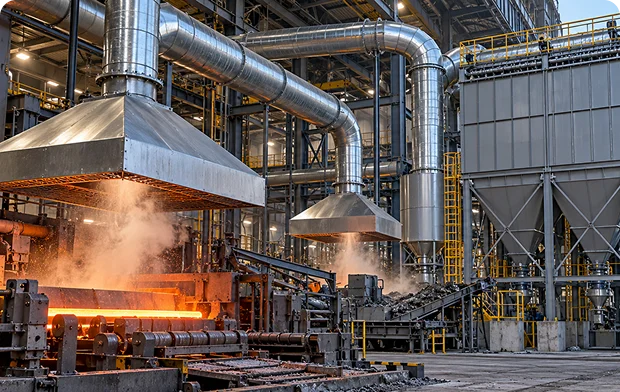
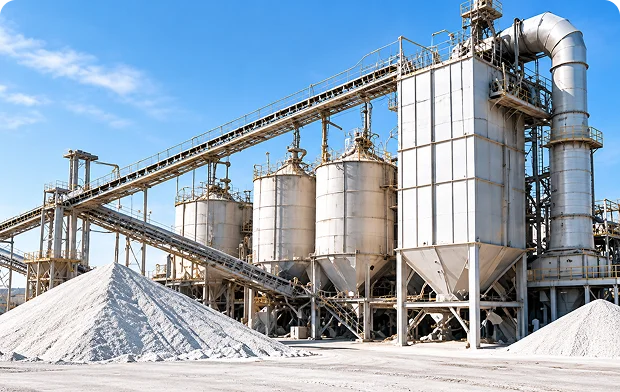
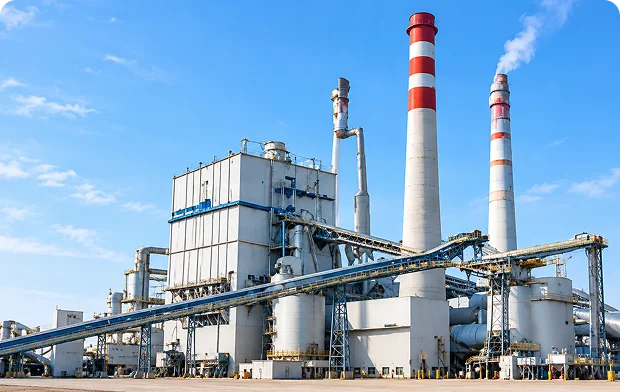
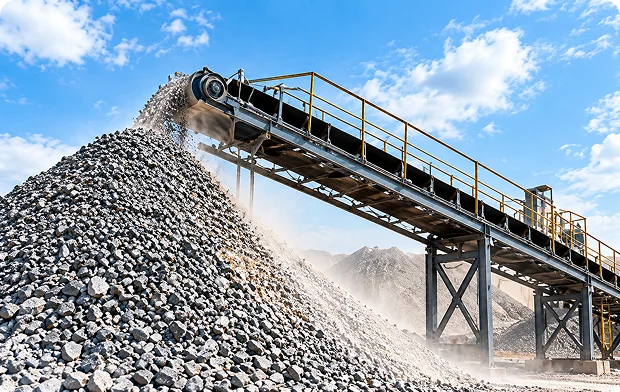
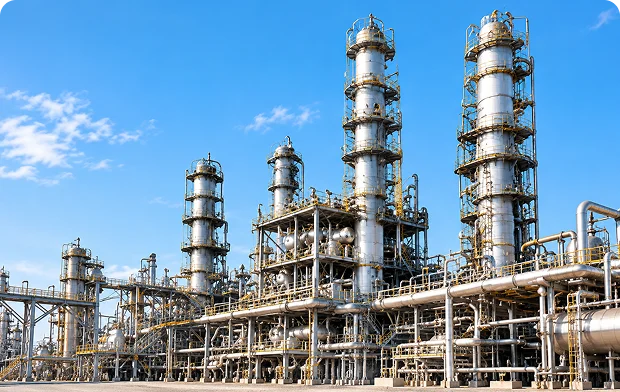
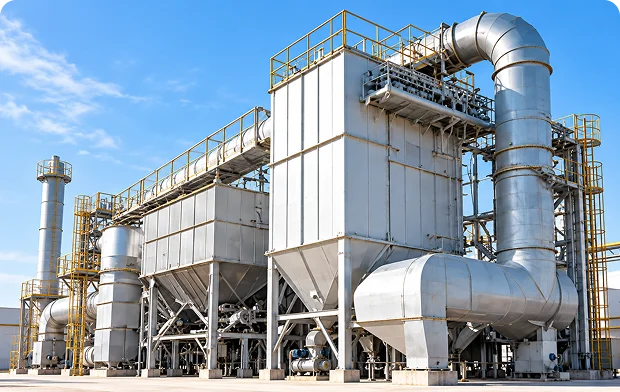
Filter bags and cages are used in cement and lime production, steel and foundry operations, aluminium and alumina processing, power and ash handling, minerals, chemicals and other dust-generating processes. The process point matters more than the industry label: a transfer point and a hot process exhaust can require very different specifications.
Recurring bag failure is a reason to review the duty before repeating the order. Send the existing specification, operating information and photographs showing the failure location. Our Replacement Review starts with the evidence you have.
Before production, we agree the product details, quantity, required checks and dispatch commitment. Any proposed substitution needs your agreement. If something changes during the order, we communicate it so you can plan.
For export enquiries, include the destination, required delivery date and any inspection or documentation requirements. Dispatch timing and freight transit time are confirmed separately.
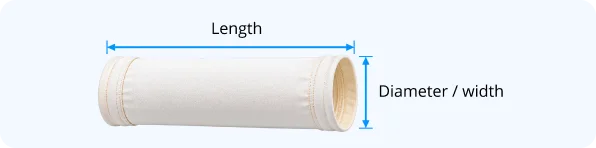
Send a drawing, RFQ, previous specification or part number with supporting details. Include quantity, destination, normal and peak temperature, dust or process description, and cleaning method. For an urgent requirement, state the date you need it and send the details by WhatsApp or email.
Do not have every detail? Send what is available. We will identify what needs confirming before a quotation or production approval.
Yes. Send the part number with a drawing, datasheet or clear photographs where available. A sample can help establish dimensions and construction, but the material and operating requirements still need confirmation. We will agree sample handling before you send it.
Yes. Send the bag and cage details together so we can review the assembly as a working unit and confirm fit, fixing and any venturi requirements before quotation.
Sometimes. We review whether a fibre blend, surface finish, scrim or construction change is justified for the duty. A blend does not automatically inherit the temperature or chemical resistance of its highest-performing fibre.
Not always. High differential pressure can come from dust characteristics, cleaning performance, media selection, bag condition or collector issues. Share operating data and failure evidence so we can review before changing the specification.
Emission performance and service life depend on process conditions, installation and maintenance. We agree the product specification and the checks we will perform; guarantees for emission or life need agreed operating limits and are confirmed case by case.
Normally around 4 weeks production; urgency and development are reviewed case by case. Delivery time is confirmed separately.
Repeat orders can proceed against an agreed specification. If operating conditions, failures or requirements have changed, tell us before we manufacture so we can confirm whether the previous specification still applies.